Seasonal Ambient: 12 Tracks for a British Autumn Evening
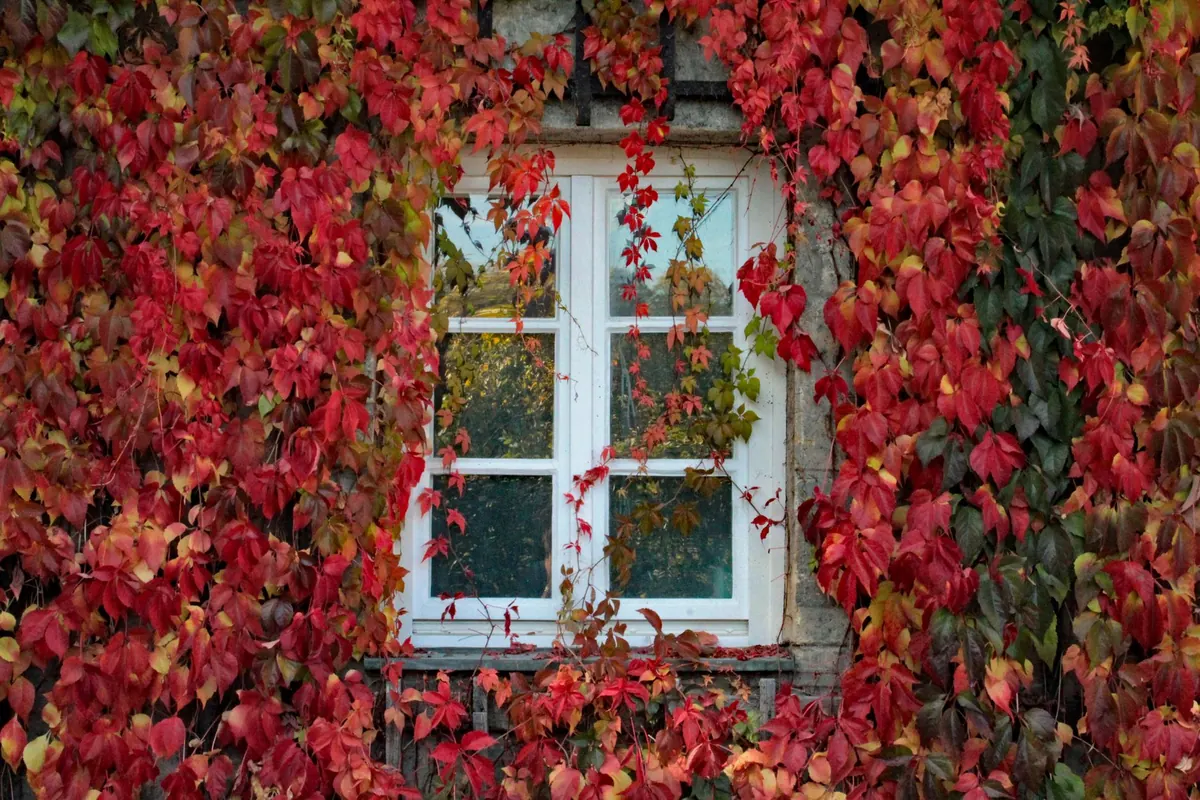
The lamp goes on earlier every week. By the end of October the useful part of the day is over before the kettle has boiled twice, and the evenings take on that particular British quality: damp, quiet, faintly blue at the windows. Autumn ambient does not have to be sad, but it should be honest about the dark.
The twelve tracks below are warm rather than cold. Slow records, plenty of low end, room to breathe. They sound better with the heating on and your phone in another room.
There is no great science to the running order, but it is an order all the same. It moves roughly by hour, from four o'clock light to something closer to midnight, so nothing arrives before you are ready for it. Skip about if you like. Just do not shuffle the whole thing and expect it to work, because the quiet bits are doing as much as the loud ones.
Brian Eno — "An Ending (Ascent)" (from Apollo: Atmospheres and Soundtracks). The obvious place to begin, and obvious is fine on the first properly cold evening. It rises for four minutes and never quite lands, which suits a sky going grey at ten to five. Loud enough to hear the room, not loud enough to hear the neighbours.
Harold Budd & Brian Eno — "A Stream with Bright Fish" (from Ambient 2: The Plateaux of Mirror). The same trick done with piano. Budd's notes fall like rain on a conservatory roof; Eno leaves the space around them alone. One of the least showy records ever made, and one of the most generous. If you have only ever heard ambient as a wash of sound, this is the one that shows you it can be played rather than produced.
Boards of Canada — "Dawn Chorus" (from Geogaddi). Under two minutes of wobbling tape and a memory of a summer that may never have happened. Put it last in this trio and let the silence afterwards do its work. Resist the urge to fill it. The gap between records is part of the record.
Global Communication — "14:31" (from 76:14). The centrepiece of any long autumn evening. Tom Middleton and Mark Pritchard take a quarter of an hour to say one thing, and it works precisely because nothing is rushed. This is the closest ambient gets to a proper sit-down. It is also the record that converts people. If a friend has ever asked you what the fuss is about, play them this and say nothing else.
Aphex Twin — "Rhubarb" (from Selected Ambient Works Volume II). Bleaker, colder, and the one most people already know without realising it. A loop that seems to be remembering itself. Good for cooking something that takes a while — a stew, a bake, anything that rewards standing still near a warm oven. The album is two and a half hours long and you do not need all of it, but you do need this.
Jon Hopkins — "Abandon Window" (from Immunity). Piano and drone in roughly equal measure, melancholy without being defeated. Use it as a marker: when it finishes, dinner is ready. There is something faintly ceremonial about it, which is useful on a Tuesday in November when nothing ceremonial is otherwise on offer.
Biosphere — "Poa Alpina" (from Substrata). Geir Jenssen is from Tromsø, and this record sounds like it. Cold air moving over a warm, low foundation. Rain on the window is a bonus here, not an interruption. Play it while you are doing the washing-up with the curtains open and the garden disappearing.
Fennesz — "Rivers of Sand" (from Venice). Guitar turned into weather. More texture than tune, which is the point: it fills a room without asking anything of you. Ideal for the hour when you are doing nothing productive and have stopped feeling guilty about it. The melodic fragments surface and sink again, so you can dip in and out of attention without losing the thread.
Stars of the Lid — "The Evil That Never Arrived" (from And Their Refinement of the Decline). Strings and brass held so long they stop behaving like notes. Speakers, low volume, one lamp, lights otherwise off. Do not attempt the washing-up during this one; you will lose track of what you are doing and end up standing at the sink staring at the window, which is arguably a better use of the time anyway.
Gas — "Pop 4" (from Pop). Wolfgang Voigt's forest music: fog, leaf litter, a kick drum buried so deep you feel it rather than hear it. It is German, but it sounds exactly like a British lane in late October with the lights of a house somewhere behind the hedge.
Burial — "Forgive" (from Burial). The urban counterpart. Crackle, rain, a vocal sample left half-finished. This is the sound of the last bus and the walk home from it, and it is the one record here that is genuinely about British weather rather than merely suited to it.
A Winged Victory for the Sullen — "Steep Hills of Vicodin Tears" (from A Winged Victory for the Sullen). The closer. Strings, a piano, and a sadness that resolves rather than lingers. When it has finished, stop. Do not put anything else on. The whole point of an evening like this is that it ends.
If the list above has done its job, you will want more, and the good news is that Britain has spent twenty years quietly specialising in this. The hauntology strand — records that sound like a 1970s television interval that never quite ended — is the most autumnal music this country makes. Try Pye Corner Audio and the Sleep Games album for slow synth drift with a chill in it, Belbury Poly for something warmer and woodier, and The Advisory Circle for the uncanny version. None of it shouts. All of it suits a dark afternoon.
There is also a folk-adjacent edge worth knowing about, in the records that borrow from field recording rather than melody: birdsong, rain, footsteps on gravel, a piano somewhere far off. They work particularly well in the last hour before you go to bed, when you want something that occupies the room without occupying you.
A few practical notes, because ambient is unforgiving of a bad setup in a way that louder music is not.
One warning as well. Ambient is very good at turning a quiet evening into a melancholy one, and it does not always know when to stop. If you find yourself three hours into a playlist and feeling worse rather than better, put on something with a chorus in it. The dark is worth being honest about; it is not worth sitting in all night.
If you only have forty minutes and one pot of tea, play "An Ending (Ascent)", "14:31" and "Abandon Window", in that order, at low volume, with the lamp on and the overhead light off. That is the whole idea in three tracks: something that rises and does not land, something that takes its time, and something that finishes and tells you to put the kettle on again.
Everything else on this list is for the longer evenings, the ones that start at four and end when you finally turn the heating down. There are a lot of them coming.
Photo: Birgit Böllinger / Pexels
Previous Post
How to Make a Lo-Fi Ambient Track in Your DAW
Next Post
Review: Three UK Ambient Albums for Cosy Evenings